The home barista's field guide • UK edition
Manual, semi or super-automatic?
Choose the ritual before you choose the machine.
The best category is not the most expensive one. It is the one that matches how much control you actually want at 7am.
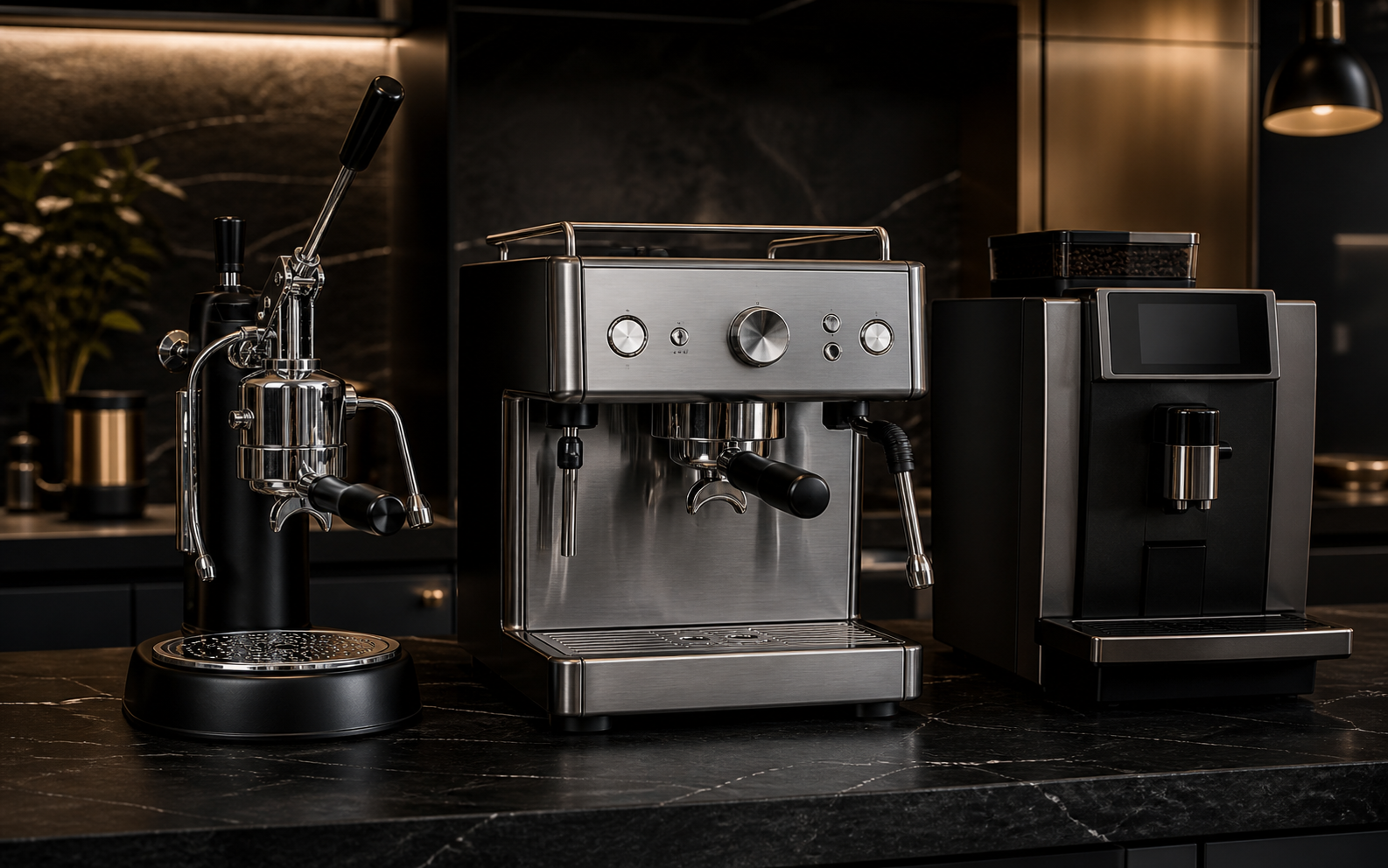
Unsure? Start semi-automatic. It gives you meaningful control without making every part of extraction manual, and it leaves room for your technique to improve.
Most espresso machine buying guides sort machines by price. That's the wrong first filter. The question that actually predicts whether you'll be happy with a machine six months from now is: how much of the process do you want to do yourself, and how much do you want handled automatically?
How involved do you want to be?
Manual
You create pressure and control the flow.
Semi-auto
You grind, tamp and stop the shot.
Super-auto
The machine handles almost everything.
Manual (lever) machines
You control water flow by pulling a lever or piston yourself, in real time, for every shot. This gives you the most control over extraction of any category — and it demands the most from you. A manual machine rewards someone who wants espresso-making as a hands-on skill, the way some people enjoy manual camera focus or a stick-shift car. It punishes anyone who wants a consistent shot at 7am without thinking about it.
Good fit if: you already enjoy the process of dialing in a shot and don't mind some inconsistency while you learn.
Bad fit if: you want the same result every time with minimal attention.
Semi-automatic machines
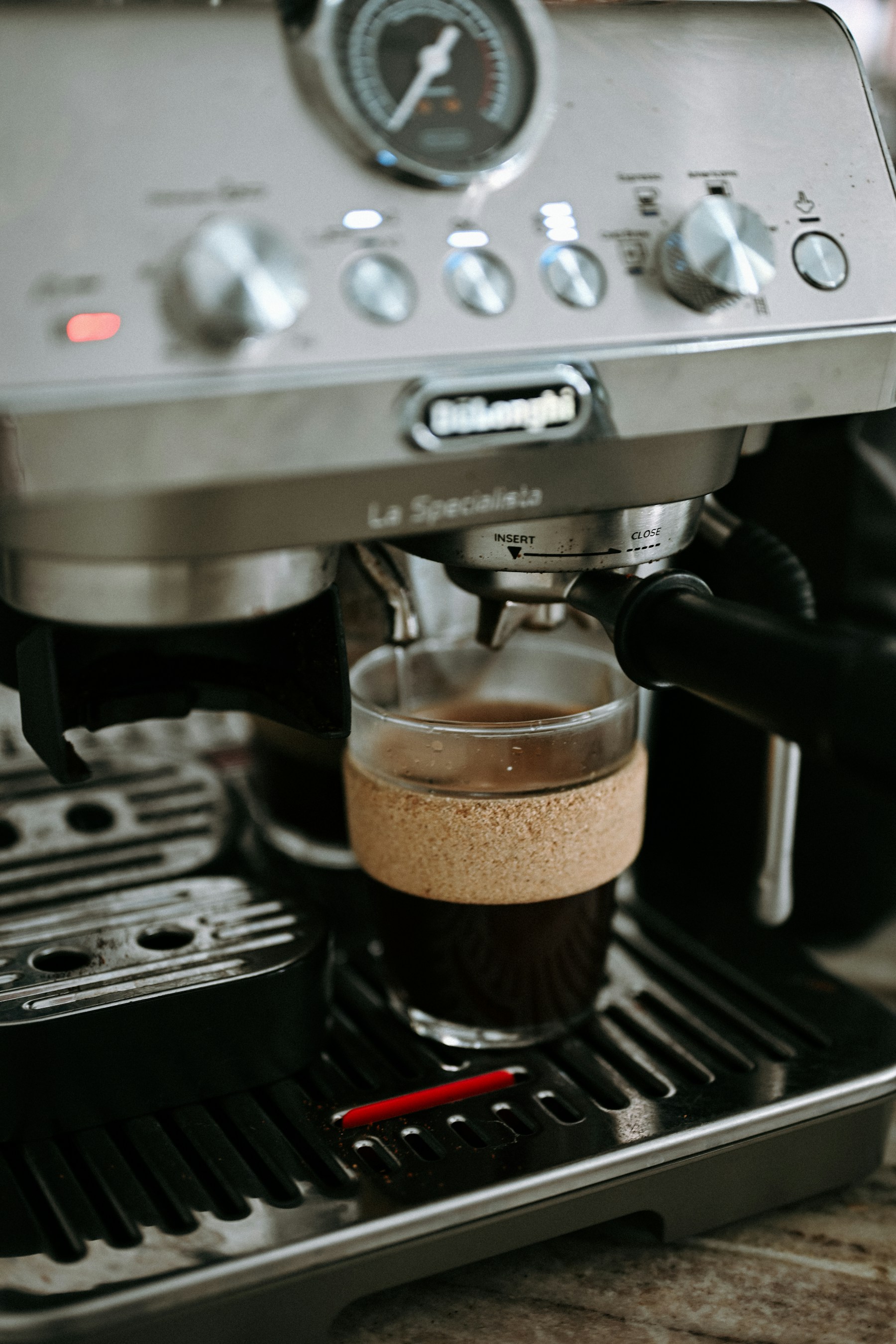
This is the largest category, and for most home users, the right one. You control grind, dose, and tamp; the machine controls water pressure and temperature, and you start/stop the extraction manually by watching the shot (by weight or time). This is the sweet spot between control and consistency — enough manual input that you can actually improve your results over time, without needing barista-level timing on water pressure.
Good fit if: you want to learn real espresso technique and improve over months, and you're willing to also invest in a decent burr grinder (the grinder matters more than the machine — see our grinder guide).
Bad fit if: you want to press one button and walk away.
Super-automatic machines
These grind, dose, tamp, extract, and often steam milk automatically, from whole beans, at the press of a button. You lose fine control over the shot, but you gain genuine convenience — this is the category for someone who wants coffee-shop-adjacent quality on a weekday morning with near-zero attention required. The trade-off shows up in two places: upfront cost (the automation is expensive to build), and a ceiling on quality — a well-dialed-in semi-automatic machine in skilled hands will usually beat a super-automatic's default output, though the gap has narrowed a lot in the last few years.
Good fit if: you want consistent, good-enough espresso with minimal daily effort and can afford the higher upfront cost.
Bad fit if: you're buying an espresso machine partly because you enjoy the ritual — a super-automatic removes most of the ritual along with the effort.
The honest recommendation
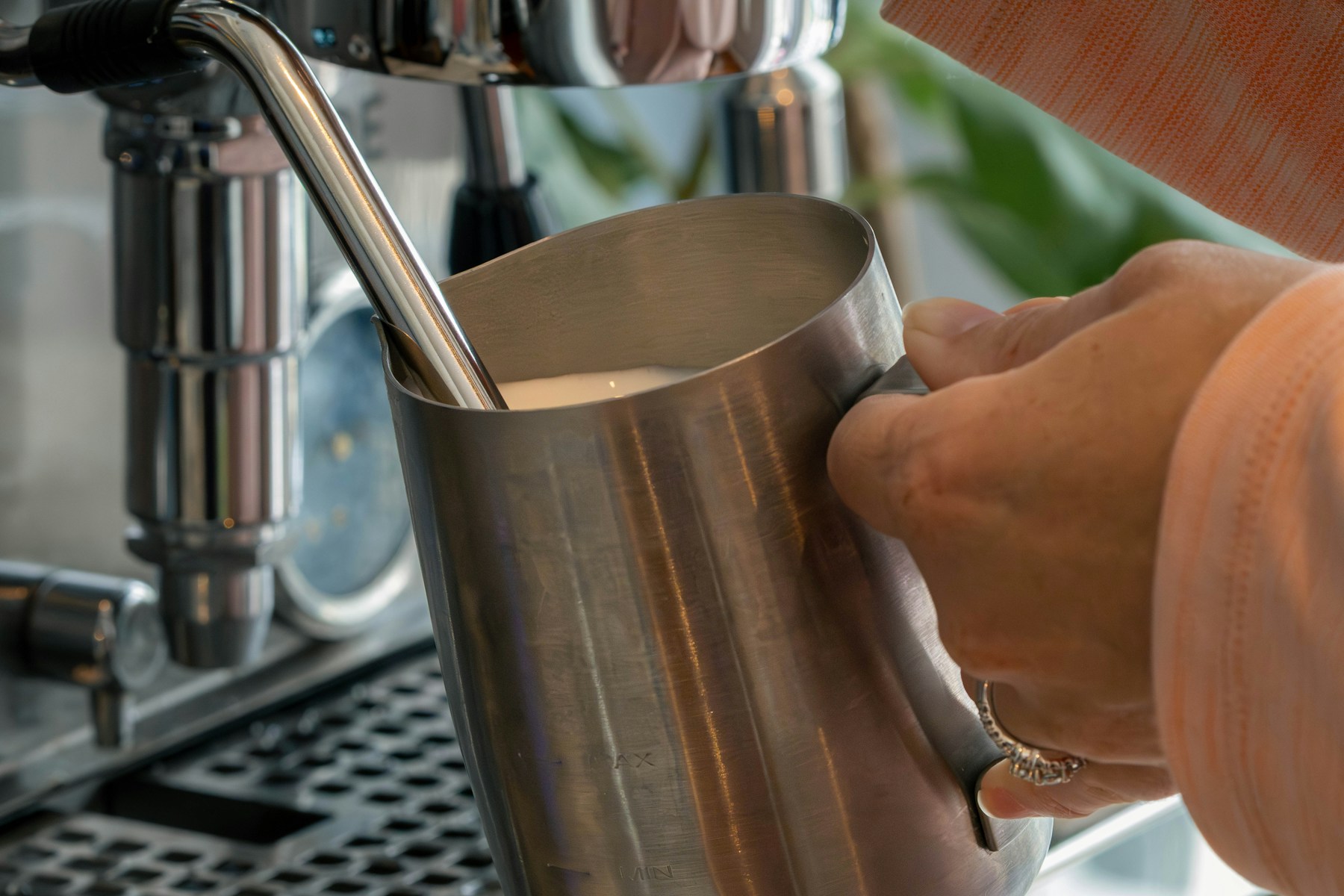
If you're not sure which of these describes you, start semi-automatic. It's the only category where getting better at using the machine is actually part of the experience, the price range is the widest (so you can enter at a genuinely modest budget), and if you later decide you want less involvement, a good semi-automatic still holds resale value better than most super-automatics do.