The home barista's field guide • Grind & Brew
Is Pre-Ground Coffee Ever Fine for Espresso?
Honest answer about staling timelines after grinding, when pre-ground is genuinely acceptable (never for espresso specifically, due to surface-area/st
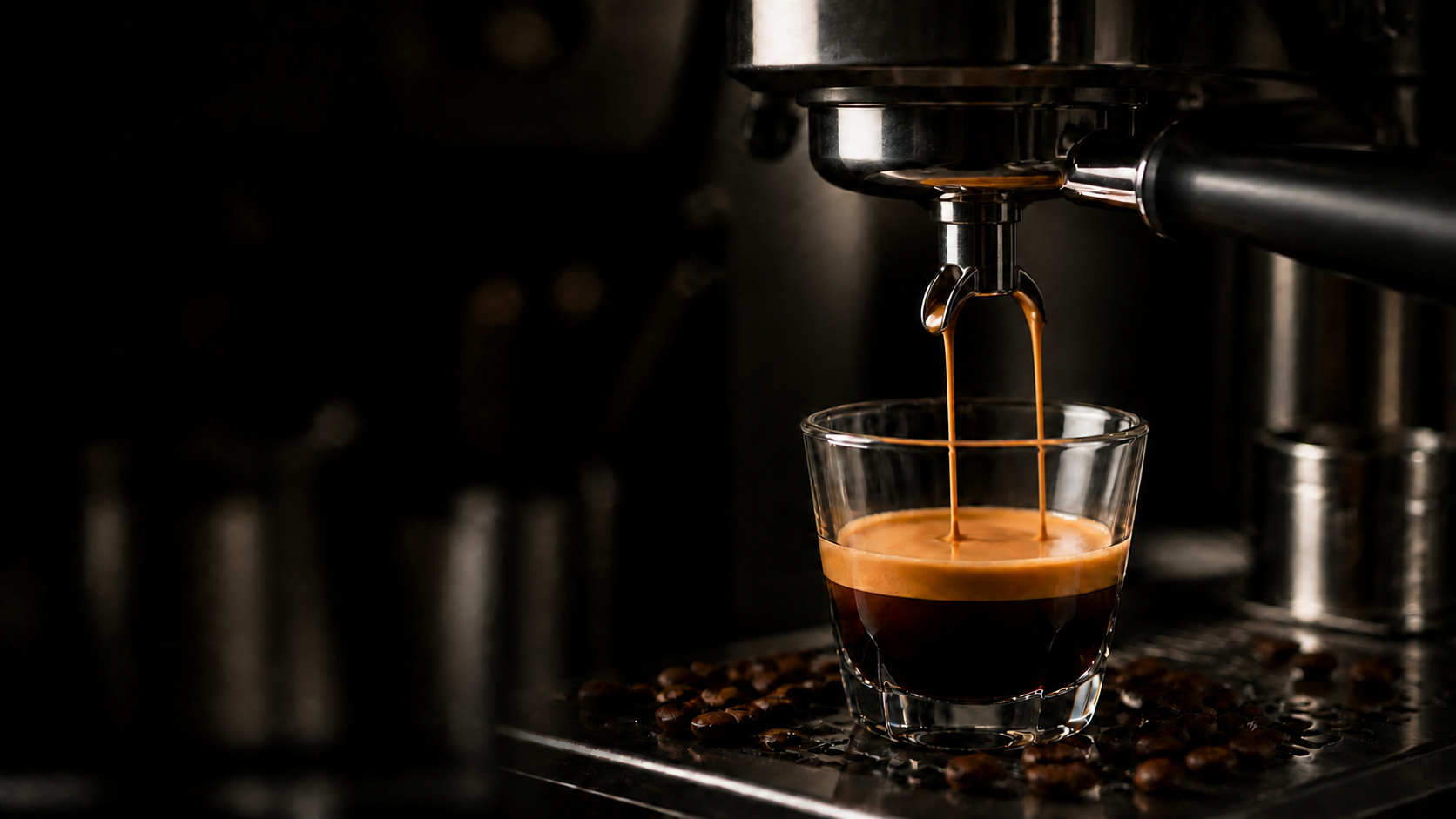
Is Pre-Ground Coffee Ever Fine for Espresso?
The short answer: no, not really. Pre-ground coffee is categorically the wrong choice for espresso, and the reasons aren't about coffee snobbery—they're about surface area and chemistry.
Why Grinding Matters More for Espresso
When you grind coffee, you shatter the bean's protective structure and expose volatile aromatic compounds to oxygen. Staling begins immediately. Within fifteen minutes of grinding, you've lost a measurable portion of the lighter aromatics that give espresso its complexity. By the time pre-ground coffee reaches your kitchen—even vacuum-sealed—it's been ground for days or weeks, often longer.
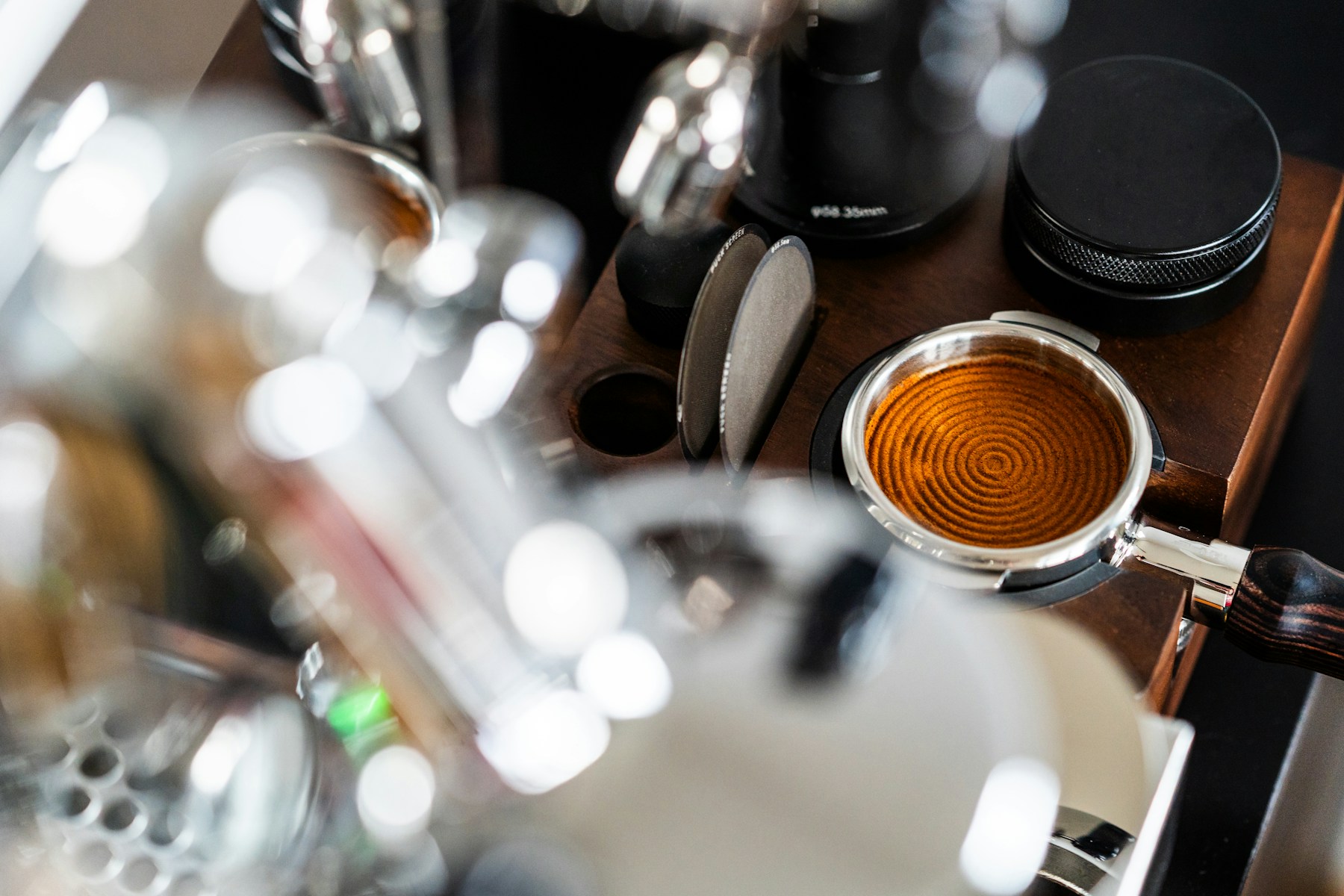
Espresso amplifies this problem because it's a concentrated extraction method. You're forcing hot water through a tightly packed puck at nine bars of pressure. The difference between fresh-ground and stale coffee isn't subtle: it's the difference between a shot with layered fruit and caramel notes and one that tastes flat, papery, and faintly sour. Pre-ground coffee simply cannot hold the volatile oils and CO₂ that create crema and body.
Filter methods are more forgiving. A pour-over or cafetière uses a longer contact time and lower pressure, which masks some of the staleness. Pre-ground coffee for those methods isn't ideal, but it's survivable—you'll still extract sweetness and some character. Espresso offers no such grace period.
The Surface Area Problem
A single espresso dose exposes roughly 400 square centimetres of coffee surface to air. That's an enormous reactive area. The moment grinding happens, oxidation accelerates: oils turn rancid, aromatic esters evaporate, CO₂ off-gasses. The finer the grind, the faster this happens, and espresso demands the finest grind of any brewing method.
Pre-ground espresso blends sitting on supermarket shelves for weeks have already degraded beyond recovery. Even if the roaster packaged them in nitrogen-flushed bags, the seal breaks the moment you open it. From that point, every passing hour diminishes what's left.
When Pre-Ground Is Acceptable (Elsewhere)
There are situations where pre-ground coffee isn't a disaster—but none of them involve espresso machines.
If you're making filter coffee and your grinder has broken, buying a small quantity of freshly ground coffee from a local roaster and using it within three or four days is a reasonable stopgap. The flavour will decline noticeably after 48 hours, but a well-roasted bean ground that morning will still outperform anything in a vacuum-sealed supermarket brick.
For travel, if grinding on-site isn't possible, the same logic applies: get coffee ground as close to departure as possible, store it in an airtight container, and use it quickly. Accept that the last few cups of the trip won't be as vibrant as the first.
Pre-ground is also fine—genuinely fine—for cold brew. The long steeping time (twelve to twenty-four hours) and cold temperature mean you're extracting different compounds than with hot methods. Staleness is still a factor, but the impact is muted. Cold brew made with week-old pre-ground coffee will taste flatter than it should, but it won't be undrinkable.
The UK Grinder Situation
Many UK espresso drinkers resist buying a grinder because good ones cost as much as entry-level machines. That's a real barrier, but it doesn't change the physics. A £400 machine paired with pre-ground coffee will produce worse espresso than a £150 machine with a decent grinder. The grinder is the more important half of the equation.
If budget is the constraint, buying whole beans and asking a local roaster to grind them the day you collect them is still a compromise too far for espresso. You might get one or two acceptable shots if you brew immediately, but the quality will collapse within hours. It's not a sustainable approach.
Hand grinders are the workaround. A manual burr grinder capable of espresso costs £40–£100 and produces consistent results. Grinding by hand takes two minutes per dose and requires some arm strength, but it's the difference between mediocre espresso and genuinely good espresso. If you're serious enough about espresso to buy a machine, you're serious enough to grind manually.
What About Pods?
This isn't about capsules or ESE pods, which are a different category entirely. Those are sealed immediately after grinding and often packaged in modified atmospheres. They're still compromised by pre-grinding, but the degradation is slower. They exist as a convenience trade-off: predictable mediocrity in exchange for zero effort.
That's a fair exchange for some people. What isn't fair is expecting pre-ground coffee bought in a bag to deliver comparable results. It won't.
The Honest Takeaway
Pre-ground coffee has a place—just not anywhere near an espresso machine. For filter methods, it's a last resort that works in a pinch. For espresso, it's not a compromise; it's a fundamental mismatch. The staling rate is too fast, the grind requirements too precise, and the extraction method too unforgiving. If you're buying an espresso machine, budget for a grinder from the start. Anything else is building on sand.