The home barista's field guide • Grind & Brew
The Espresso Machine Maintenance Schedule Nobody Tells You About
A realistic, evidence-based maintenance cadence (backflushing, descaling, gasket checks) tied to water hardness and usage frequency, not generic manuf

The Espresso Machine Maintenance Schedule Nobody Tells You About
Most espresso machine manuals treat maintenance like a legal disclaimer: vague, cautious, covering the manufacturer's liability rather than your actual circumstances. You'll read "descale every 2–3 months" without any reference to whether you're pulling two shots weekly or twenty daily, whether your local water measures 50 ppm or 350 ppm dissolved solids.
The reality is your maintenance schedule should flex based on usage intensity and water chemistry. Here's what genuinely matters.
Backflushing: Match Your Shot Volume
Backflushing clears coffee oils and residue from the group head's three-way solenoid valve and dispersion screen. The oils build up regardless of water quality—it's a mechanical consequence of forcing water through ground coffee.
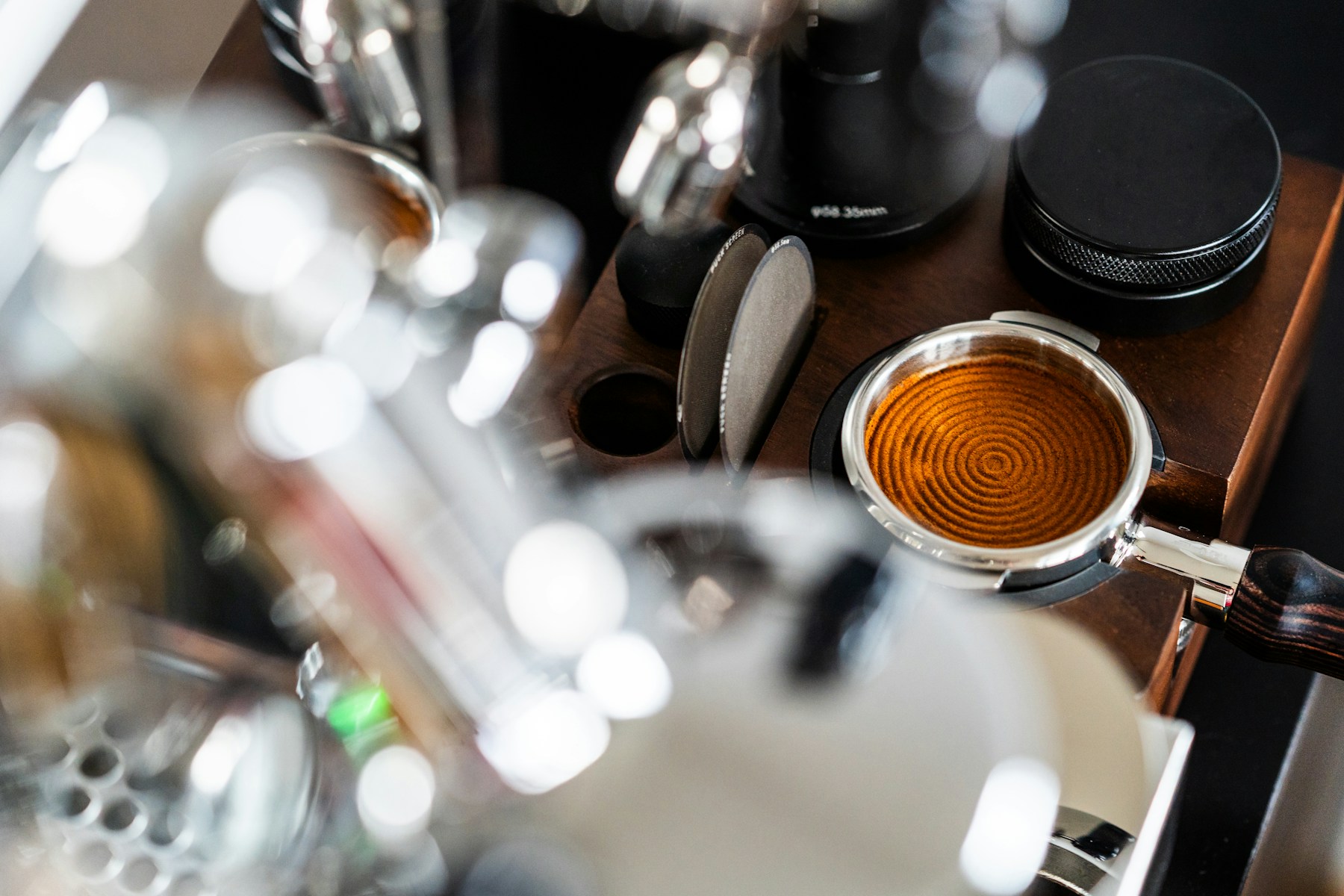
For home users pulling 2–4 shots daily, backflushing with detergent once weekly prevents sticky valves and maintains clean-tasting extraction. If you're below that threshold—weekend-only use, for instance—fortnightly suffices. Commercial environments or households pulling 10+ shots daily should backflush every 2–3 days.
Water-only backflushes (no detergent) after each session help, but won't shift the polymerised oils that accumulate in the valve chamber. You need the surfactant action of proper espresso machine detergent every few cycles. The common mistake is assuming daily water backflushing eliminates the need for chemical cleaning—it doesn't.
Machines without three-way valves (many non-pump machines, some budget models) can't backflush in the conventional sense. For these, focus on removing and soaking the dispersion screen and shower plate in detergent solution weekly.
Descaling: Water Hardness Dictates Everything
Scale forms when calcium and magnesium precipitate inside your boiler and pipework as water evaporates or heats. The harder your water, the faster this happens. UK water varies wildly—Scottish Highland supplies often sit below 50 mg/L calcium carbonate, while parts of London and the Southeast exceed 300 mg/L.
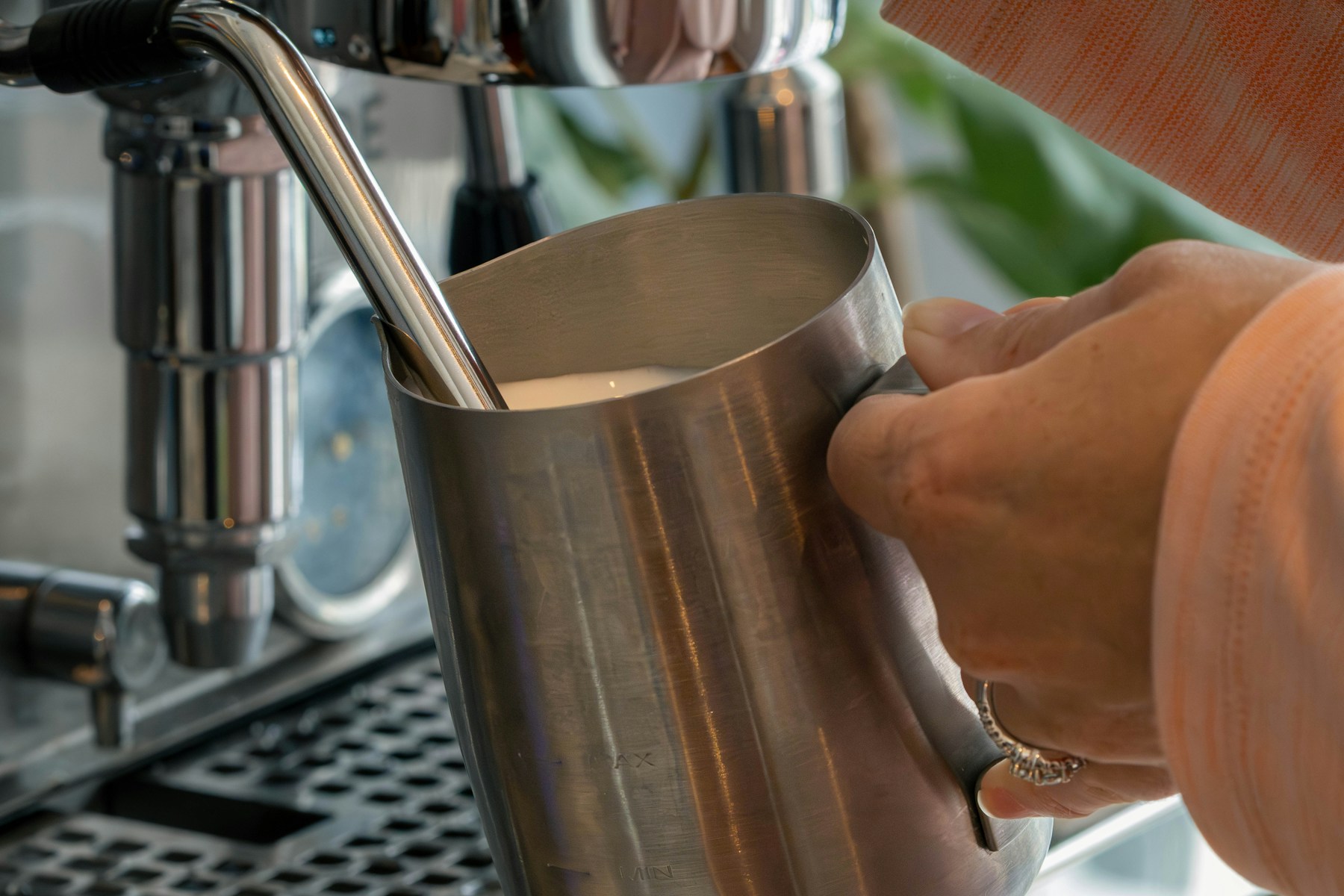
If you're on very soft water (under 100 mg/L) and pulling moderate volumes, you might descale twice yearly. At 200+ mg/L with daily use, quarterly descaling becomes necessary. Above 300 mg/L, you're looking at every 6–8 weeks unless you're filtering or using bottled water.
You can't judge scale accumulation by eye until it's catastrophic. The mineral deposits coat internal surfaces you never see—the boiler element, thermostats, flow restrictors. By the time your shot flow slows noticeably or your machine struggles to reach temperature, you've already shortened its lifespan.
Citric acid (not vinegar—too weak, smells persistent) at 15–20 grams per litre works for routine descaling. Commercial descalers use similar chemistry with added surfactants. Run the solution through the full system (group head, steam wand), let it sit 20 minutes, then flush thoroughly with at least two full reservoir volumes of fresh water. Taste-test a blank shot before making coffee again.
If you're softening your water or using remineralised RO, scale risk drops dramatically but doesn't vanish entirely. Even 50 mg/L hardness accumulates over months.
Gaskets and Seals: The Forgotten Pressure Points
The group head gasket (the rubber ring that seals your portafilter against the group) compresses and hardens with heat cycling. Most home users get 12–18 months from a gasket with moderate use. You'll notice the portafilter loosens in the group or requires less rotation to lock—clear signs the gasket has compressed beyond effective sealing.
Don't wait until you're getting spurting leaks mid-extraction. Replace gaskets when you notice sealing degradation, even if it's not leaking yet. A worn gasket stresses the lugs on your portafilter and group head, risking more expensive damage.
Steam wand O-rings fail less predictably—anywhere from 18 months to three years depending on how aggressively you use steam. If you're frothing multiple times daily, inspect the wand connection quarterly for moisture or minor weeping. Small leaks become large ones quickly once an O-ring seat corrodes.
Lubricate moving gaskets (steam knob O-rings, certain pump seals) annually with food-safe silicone grease. Never use petroleum-based lubricants—they degrade rubber and contaminate water systems.
The Water Tank and Drip Tray Everyone Ignores
Biofilm—bacterial colonies in a polysaccharide matrix—forms in any standing water. Your reservoir is a perfect environment. Empty and rinse it every 2–3 days, even if the water looks clear. Weekly, wash it with warm soapy water and air-dry completely.
Drip trays grow mould and harbour coffee residue that smells progressively worse. Daily emptying, weekly washing. The grate can harbour oils that turn rancid—scrub it with detergent, not just a rinse.
These aren't glamorous tasks, but they prevent the stale-water taste that creeps into shots and the fruit fly infestations that appear in warm months.
The Actual Schedule: Usage-Based Template
Light use (2–4 shots daily, soft to moderate water):
- Water backflush after each session
- Detergent backflush weekly
- Descale every 4–6 months
- Check gaskets at 12 months
Moderate use (5–10 shots daily, moderate to hard water):
- Detergent backflush twice weekly
- Descale every 8–12 weeks
- Gasket replacement at 10–12 months
Heavy use (10+ shots daily, hard water):
- Detergent backflush every 2–3 days
- Descale every 6–8 weeks
- Quarterly gasket inspection, replacement as needed
Adjust for your water. Test it if you're unsure—hardware stores sell basic hardness kits for under a tenner. The difference between 100 mg/L and 250 mg/L is the difference between annual and quarterly descaling.
Maintenance isn't exciting, but neither is a £600 boiler replacement because you ignored scale for two years.